Dennise Demming marks her 70th birthday in a unique way, organizing a ‘Seven to 77 K’ walk-run event to emphasize the importance of health and physical activity, especially for seniors.
Reflecting on her transformation through running and exercise, she encourages intergenerational participation and shares her personal health journey.
Despite the challenges of maintaining health in a busy life, she stresses the importance of having personal goals and staying active. The event aims to bring families together, offering medical support and prizes to participants while promoting a healthy lifestyle and community improvement.
Giselle Singh introduces herself as an inventive creator and empath, drawing inspiration from the divine. She discusses her multifaceted identity as a scientist, innovator, and musician, emphasizing her contributions to soul music. She shares her focus on genuine storytelling and cultivating meaningful relationships.
Giselle advocates for a living wage for artists in Trinidad and encourages aspiring creatives to follow their dreams. She reflects on the importance of creative freedom, effective listening, and the transformative power of imagination from a young age.
Join our monthly GYM. Yes, a workshop GYM aimed at teaching and practicing essential EFT skills, emphasizing present process and live emotional experiences. This session aims to enhance couple satisfaction through emotional sharing and understanding, while also addressing the challenges faced by new clinicians in maintaining focus on the present emotional processes during therapy.
Juss Lizz, a classically trained vocalist performing for over a decade, was also trained by Glenda Collins. She began performing in her childhood, progressed to winning competitions, and went on to perform regionally and internationally.
Juss Lizz highlights her pivotal moments, including her performance with 3canal, one of T&T’s most successful groups, which focuses on indigenous performances and songs.
She aims to be a face of folk music while blending classical and modern styles. Liz emphasizes the importance of authenticity, perseverance, and self-expression in music. She also discusses her charity, which focuses on gender-based violence and helping less fortunate children. Her future goal is to start a music school for underprivileged youth.
In this interview, Christopher Wilcox shares his journey as a Trinidadian-Venezuelan artist with a rich cultural background. Born in Trinidad, he spent a significant amount of time in Venezuela, which influenced his passion for music, especially Parran.
Despite a career in graphic design, Wilcox pursued music, performing with various groups. He later transitioned to solo performances, focusing on boleros and ballads, and other Latin music.
He was set back by COVID-19, but continues to work on his music career, performing at various venues and collaborating with other artists. He also expresses his love for other art forms like painting.
Wilcox’s advice to young artists is to persist in their passion. He aims to bring his unique blend of Trinidadian and Venezuelan music to larger audiences, both locally and internationally.
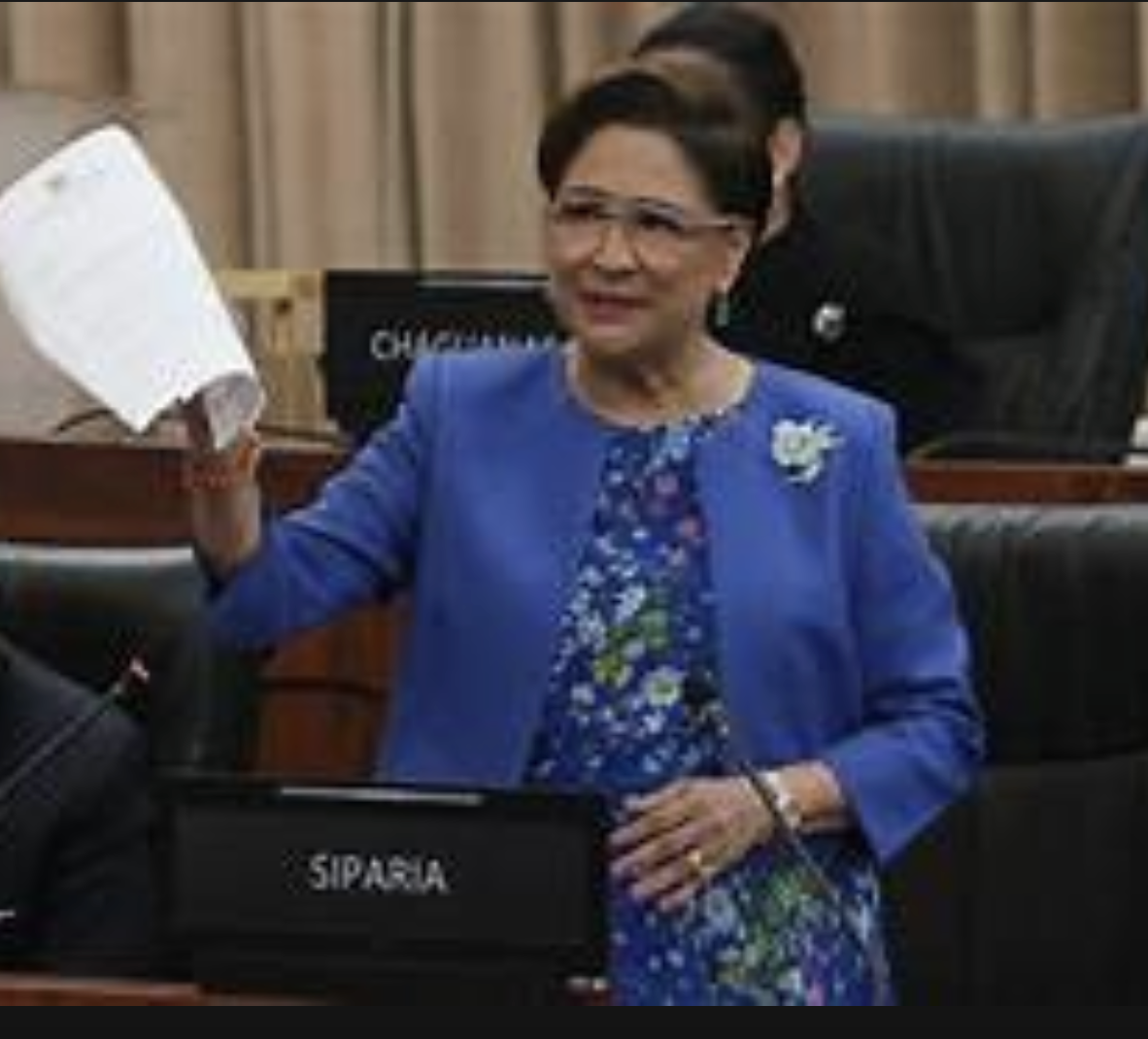
My Prime Minister is a former lecturer at the University of the West Indies, and she herself recently mentioned this in Parliament. This is a matter of pride for our nation, but it also places a responsibility on her shoulders.
Despite her academic background, several Members of Parliament continue to speak with poor grammar and weak pronunciation. Even more troubling is that some of these same MPs are graduates of the University of the West Indies. It is concerning that individuals with tertiary education still struggle to speak grammatically correct English and to pronounce words properly. Moreover, the Prime Minister herself was responsible for selecting several of the current MPs, which makes the issue of their language competence even more pressing.
English has been our official language since Independence in 1962 and, for centuries before, through colonial rule. It remains the internationally accepted standard language of communication, business, and diplomacy. While Trinidad and Tobago’s unique expressions are indeed distinctive and culturally rich, we must also insist on accuracy in grammar and clarity in pronunciation, especially from those in leadership positions.
If we want higher standards in radio, television, and other media, Parliamentarians must set the example. Public figures shape public speech, and when MPs lower the bar, the wider society follows. The deterioration of language capacity among MPs has been happening for many years. While not caused by the current government, they are now responsible for transforming language inability and many different areas. They must act boldly to reverse decline in so many different aspects of our lives.
As a simple positive response I urge the Prime Minister to use her background as an educator and her authority as a leader to raise the standard of language in public life. This will positively impact future generations.
Dale Ramirez, a 44-year-old serial entrepreneur from Trinidad, describes his journey in creating community hubs and spaces in the hospitality industry. Despite numerous challenges, including bureaucratic hurdles in obtaining permits and complying with outdated regulations, Dale remains committed to his mission. He talks about reopening his business as District Cafe and launching a new restaurant, Toucan, which has received a positive response. Dale emphasizes the importance of understanding all facets of the business, from financial management to customer service. He advocates for government deregulation and better stakeholder communication to foster small business success. Dale concludes by encouraging listeners to adopt discipline and focus, drawing inspiration from the host Denise’s running discipline.
Cecilia Salazar, a Trinidadian actress and mother, shares her journey and the profound influences that shaped her career. She discusses her early passion for acting, her diverse work experiences before fully transitioning into acting, and the challenges of making a living in the arts.
Salazar emphasizes the importance of honing one’s craft, the shift to producing content during COVID-19, and the lack of commercial support for the arts. She highlights the evolution of theater in Trinidad and the need for continued support and documentation of its history. Salazar also touches on potential solutions for young artists, including training and producing opportunities.
She concludes with a motivational message to follow one’s passions with joy, love, and purpose.
 Dennise Demming