
Subscribe to continue reading
Subscribe to get access to the rest of this post and other subscriber-only content.
Therapist/Blogger
Subscribe to get access to the rest of this post and other subscriber-only content.
Gobin calls for addressing environmental issues at their source, particularly in reducing plastic waste. She also discusses the importance of balancing career and family, emphasizing the need for support networks for working women.
March 20th marks World Happiness Day! Despite our challenges like high crime, water shortages, and poor transportation, can Trinidad and Tobago (T&T) join the global celebration?
The theme for World Happiness Day 2024, “Reconnecting for Happiness: Building Resilient Communities,” reminds us of our duty to make our communities stronger and happier.

With political disconnect and broken systems, we must consider: How can we stay strong when basic infrastructural support, is scarce? What can we do when those whom we have appointed as administrators, and paid beyond the dreams of many in our society, fail us repeatedly over multiple decades and show zero remorse? Worse, they often treat our valid requests with disdain, forgetting that they are our employees.
There is no other option than to join the celebration and be happy. After all, the majority of those who vote seem to be willing to accept the remarkably low level of governance we have been experiencing for the majority of the time since 1962.
Collectively we must face the tough issues shaping our lives (since we have allowed it to happen) and find, recognize, and augment the strength of our people. Despite tough times and previous and current disastrous leadership, we have managed to survive and some even thrive, all without rioting. It has been said that it’s possible that some of our best minds have ended up sweeping streets, or getting into criminal activities, while some of our worst minds appear to be succeeding.
There is no easy fix to our current state of discomfort, distress, and poor systems. The transformative change needed will require leadership that is strong and willing to make tough decisions and live with the consequences. We have seen little or no evidence of such leadership in many years.
We need leadership that is above reproach and will do the right things because it is the right thing to do and not for votes or kickbacks or for personal gain. Our focus must be on people development and not simply on constructing new buildings. Our focus must be on improving the systems, structures, and processes. Our civic employees (politicians) must take World Happiness Day into consideration and focus on building resilient communities if we are to reconnect for happiness.
Fundamentally, the journey to resilience and happiness starts with reconnecting—with our country, our families, and our communities. We must transcend our traditional conditioning to discover and realise that we all have something to contribute (and be willing to recognise that others can contribute, even if we disagree with them) then commit to making positive changes wherever we can.

As we celebrate World Happiness Day, let’s answer the UN’s call and work together for joy and resilience. No matter our age, gender, or background, let’s build a happier, stronger T&T based on empathy and teamwork. It is our resilience that gives us hope for finding happiness and creating communities that can weather any storm.
Whenever I visit developed nations, I can’t help but reflect on the beauty of Trinidad and Tobago (T&T) and feel a profound sadness about our limited focus on sustainability. In developed countries, sustainability initiatives are conspicuous, ranging from immaculate streets to responsible waste management and eco-friendly practices. Without transformative changes, our islands’ natural beauty will continue to wane.
One of the most evident indicators of sustainability in developed nations is the cleanliness of their streets and public spaces. The absence of litter and debris reflects not only a dedication to maintaining a clean and healthy environment but also the effectiveness of education systems in raising awareness about the perils of poor hygiene. The simple presence of strategically located garbage and recycling bins that are routinely emptied encourages citizens to dispose of waste responsibly.
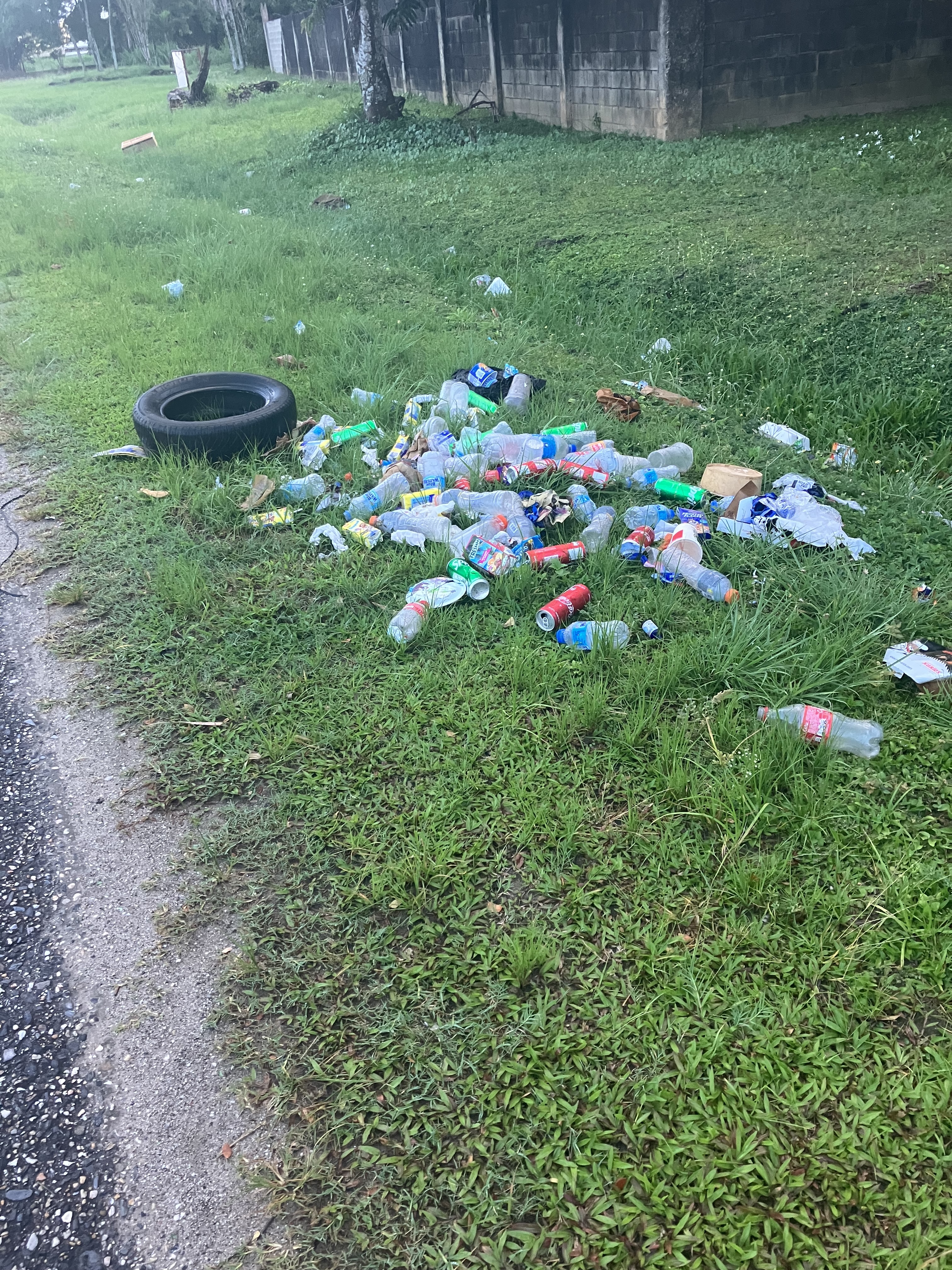
In stark contrast, many parts of our country lack recycling bins, and recycling’s importance is frequently underestimated or even dismissed as an unnecessary burden. To compound matters, our largest supermarket chain recently terminated plastic bottle collection sites in their stores.
Another stark contrast in sustainability is the use of plastic bags. In developed nations, single-use plastic bags are a rare sight, while our nation grapples with excessive plastic bag usage, which not only contaminates the environment but also poses grave threats to wildlife and our marine ecosystems. It is high time we acknowledge the dire consequences of such practices and take action to reduce our reliance on disposable plastics.
The gap between our nation and the developed world in terms of sustainability is a cause for concern, necessitating immediate action. Achievable goals such as clean streets, responsible waste management, and reduced plastic use lie before us. The key lies in adopting a clear sense of purpose and understanding the consequences of our actions. Until our leadership wholeheartedly commits to making sustainability accessible and transparent, we will continue to confront challenges where rules are flouted, and substantive progress remains elusive. The time has come for a comprehensive reset, a journey toward a more sustainable and responsible future for our beloved nation. However, a transformative shift will not materialize under what can only be described as ‘Ketchup and Mustard leadership.’
 Dennise Demming