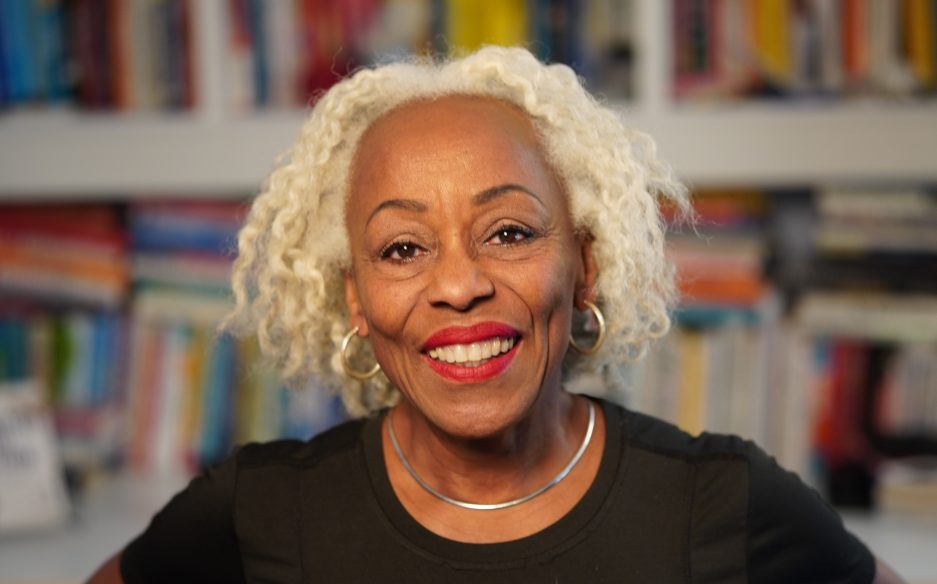
Pip: Dennise Demming is thinking about the city — specifically about what a city quietly trades away when nobody's looking, one "temporary" structure at a time.
Mara: Today we're covering the Queen's Park Savannah in Port of Spain — its history, what's threatening it, and why green space in a flood-prone capital is a practical argument, not just a sentimental one. Let's start there.
Don't Pave Paradise: Save the Queen's Park Savannah
Mara: The Queen's Park Savannah has been around since 1817 — 232 acres purchased from the Peschier family under Sir Ralph Woodford. It has been pasture, racecourse, airstrip, and is currently the largest roundabout in the world by Guinness record. The post opens with a simple claim: this place belongs to every citizen, present and future.
Pip: And the piece quotes Olga Mavrogordato's description directly — "the lungs of the city." That phrase does a lot of work.
Mara: It does, because the post immediately cashes it out practically. Green, permeable land in the heart of a flood-prone capital absorbs rainfall that concrete sends elsewhere. Losing it isn't aesthetic loss — it's a drainage problem.
Pip: The pattern the post traces is worth sitting with. Structures arrive labeled "temporary." They don't leave. A Carnival Centre is now proposed to replace the Grand Stand entirely, over what the post describes as considerable public objection. Temporary is doing a lot of heavy lifting as a word.
Mara: A resident, Maria Rivas-McDonald, is quoted observing that a previous administration paved another section of the Savannah — and the result was flooding. She raises the same concern about this year's Independence Day parade grounds near the Botanic Gardens: if the goal is giving VIPs dry footing, grass can be cut and temporary flooring laid.
Pip: No permanent road required. Funny how the permanent solution always seems to involve concrete.
Mara: The post makes the logic explicit: "What is paved is rarely unpaved. What is built rarely comes back down." Each incursion gets defended as isolated and small. But precedent compounds. The post calls on planners, heritage bodies, and ordinary citizens who walk the perimeter every evening to say plainly — enough.
Pip: The Savannah holds cricket matches, joggers, family picnics, vendors, Carnival. All of it depends on the ground staying open. That's not nostalgia — that's the use case.
Mara: And a city that grows hotter every year needs that permeable green core. The post ends with a clear ask: let this generation be the one that held the line.
Pip: Lungs of the city. It's a good phrase because it's accurate — you don't notice them until they're compromised.
Mara: Something to carry into the next conversation about what cities quietly give up in the name of progress.


